
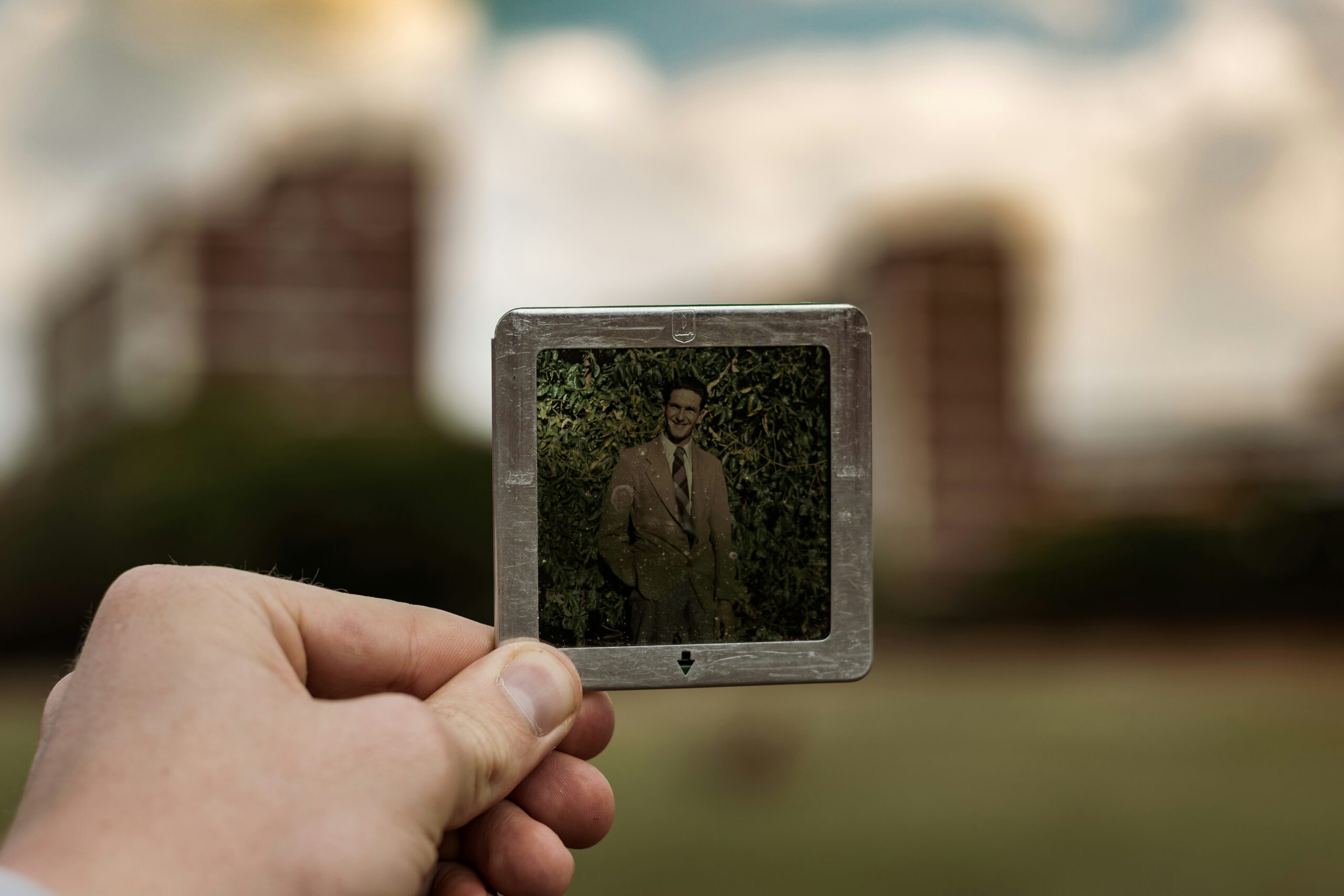
There are moments when you reach for them before you remember.
Your hand moves toward the phone. A thought rises, almost ordinary: I should tell them this. Maybe something funny happened in the grocery store, or one of the children said something that sounded exactly like them, or the sky turned the particular colour they used to love. For a second, the old pathway is still there. The body remembers what the mind already knows.
Then the remembering arrives.
They are not here in the way they used to be.
The phone stays quiet. The chair is empty. Their name sits in your mouth, familiar and aching. The moment may be small, but it can open something wide. Not because you have forgotten they died, and not because you are moving backward. Because love does not disappear simply because a body is no longer present.
Grief is often described as learning to live with absence. That is true, but it is not the whole truth. Many people who are grieving also live with a continued sense of connection. They may talk to the person who died. They may keep a photo nearby, wear something that belonged to them, cook their recipes, visit a place they loved, tell their stories, or feel their presence in a certain song, season, room, or family habit.
For some, this connection is comforting. For others, it hurts. Often, it is both.
Love does not end neatly
When someone dies, the relationship changes. There are no new conversations in the way there once were, no familiar phone calls, no ordinary footsteps, no chance to ask one more question across the table. This absence is real. It deserves to be honoured without being softened too quickly.
And still, the love may remain.
You may still wonder what they would think. You may still hear their voice in your mind. You may still feel shaped by what they taught you, how they loved you, how they hurt you, or what was left unresolved. You may still want to make them proud. You may still feel angry. You may still miss them in a way that does not ask permission.
Grief therapists sometimes use the phrase “continuing bonds” to describe the ongoing relationship people may have with someone who has died. This idea challenges the belief that healthy grieving always means detaching, letting go, or moving on as though the relationship is over in every way.
For many people, healing does not mean ending the bond. It means finding a new way to carry it.
What continuing bonds can look like
Continuing bonds often live in ordinary practices.
Lighting a candle on a birthday. Making the soup they always made when someone was sick. Keeping their handwriting tucked inside a book. Saying their name out loud. Visiting a grave, a lake, a garden, or a place where you still feel close to them. Playing their music while you clean the kitchen. Wearing their ring. Telling a child, “Your grandmother would have loved this.” Asking silently for courage before a hard day.
Sometimes the bond is less visible. It may live in the way you parent, the way you fold towels, the way you greet neighbours, the way you laugh, the way you mistrust tenderness, or the way you learned to survive. A person can continue to shape us long after they have died.
For some people, continuing bonds are spiritual. For others, they are symbolic, emotional, cultural, relational, or deeply private. There is no single right way to stay connected. What feels meaningful to one person may feel uncomfortable to another. Some people want rituals. Some want quiet. Some want photographs everywhere. Some need to put certain objects away for a while. Some speak openly. Some carry the bond in silence.
Grief asks for room to be personal.
Continuing bonds does not mean you are stuck
Many grieving people feel pressure, spoken or unspoken, to move forward in a way that looks tidy from the outside. After the funeral, after the first few weeks, after the first anniversary, the world often begins to expect a return to normal.
But grief does not follow the social calendar.
You may find that other people stop saying their name. They may change the subject because they do not want to upset you. They may offer well-meaning phrases about closure, strength, or moving on. Sometimes these words are meant as comfort, but they can leave a person feeling quietly alone with the ongoingness of their love.
There can be shame in still feeling connected. You may wonder whether talking to them, keeping their things, or feeling their presence means you are not healing. You may wonder whether you are supposed to loosen your grip.
Sometimes loosening is part of grief. There may be objects that no longer need to stay in the same place. There may be rituals that change over time. There may be moments when the bond feels less sharp, less constant, less consuming. But this is different from forcing yourself to stop loving.
Healing does not always mean letting go. Sometimes it means learning how to hold on differently.
Letting the bond change shape
A continuing bond is not about pretending death did not happen. It is about making space for the reality that the person mattered, and that they may continue to matter.
Over time, the bond may become quieter or less immediate. It may move from daily ache into story, value, ritual, memory, or meaning. It may show up in the choices you make, the boundaries you set, the tenderness you offer, or the courage you borrow from what they once gave you.
This is not always simple. Sometimes carrying someone forward also means grieving what they could not give you. Sometimes it means making peace with unfinished conversations. Sometimes it means allowing love and anger to sit in the same room. Sometimes it means choosing which parts of their legacy you want to keep, and which parts you are allowed to set down.
The relationship has changed, and your way of carrying it may change too.
You do not have to choose between remembering and healing. You do not have to prove that you are okay by becoming untouched by the loss. You do not have to stop loving someone in order to keep living.
Sometimes grief softens not because the bond disappears, but because the bond finds a different place to live. In a story. In a value. In a song. In the way you stir the soup, fold the blanket, light the candle, speak their name, or pause at the window when the evening light looks the way it used to.
Love changes after death. It does not always end.
If this feels familiar, grief therapy can offer a gentle space to explore the relationship you continue to carry. A space where memory, absence, love, anger, regret, and tenderness can be held with care, without rushing you toward closure or asking you to make your grief smaller than it is.
Further Resources
Continuing Bonds: New Understandings of Grief by Dennis Klass, Phyllis R. Silverman, and Steven L. Nickman
A foundational text on the idea that ongoing connection with someone who has died can be part of grief and healing.
It’s OK That You’re Not OK by Megan Devine
A compassionate, accessible book for people grieving in a culture that often rushes loss.